Running the business Working with your CA
Preparing for a meeting with your CA
A meeting with your CA is most useful when the books are already clean and you arrive with clear questions. Send reports a few days early, bring the documents that explain unusual entries, and spend the meeting on decisions rather than data collection.
- MSME owners
- Partners and directors
- In-house accountants
- Proprietors with a CA
- Growing traders and manufacturers

On this page 12
Why most CA meetings feel unproductive
Owners often go to their CA with a pen drive, a bag of bills and a vague question: how much tax this year? The CA spends the meeting asking for missing information, and the real questions — should we buy the vehicle in this year, is our partner's salary structured well, why is GST credit lower than expected — never get discussed.
Your CA's time is best used on judgement, not on finding a missing purchase bill.
What to send three to five days before
- Trial balance, P&L and balance sheet up to the latest closed month.
- Bank reconciliation status for each account.
- Debtors and creditors with ageing.
- Stock summary, and a note on how closing stock was arrived at.
- GST: summary of sales and input credit as per books, and any differences from returns.
- TDS deducted and deposited during the period.
- List of unusual transactions: asset purchases or sales, new loans, large one-time expenses, capital introduced or withdrawn.
- Your list of questions.
If reports come straight from Tally in Excel, the CA can work on them before you meet.
A sample agenda for a quarterly meeting
| Item | Time | Outcome wanted |
|---|---|---|
| Review of results vs last year | 15 min | Understand profit and margin movement |
| Tax position and next advance tax instalment | 10 min | Amount to pay and by when |
| GST and TDS compliance status | 10 min | Any pending mismatch or notice |
| Specific decisions (purchase, loan, hiring) | 15 min | Tax and cash impact of each option |
| Actions and owners | 5 min | Who does what by when |
Clean up before you send anything
Reports are only useful if the entries behind them are complete. In the week before the meeting, ask your accountant to:
- Enter all purchase and expense bills received up to the cut-off date.
- Reconcile every bank account and post missing charges and receipts.
- Match receipts to bills so ageing is meaningful.
- Clear or explain balances in suspense ledgers.
- Check that GST and TDS ledgers agree with what was paid.
A clean trial balance sent three days early is worth more than a perfect file sent the night before. If something cannot be finished, say so in a short note, so the CA does not spend time discovering it.
Good questions to ask your CA
- Based on profit so far, what is our estimated tax for the year, and what should the next advance tax instalment be?
- Are we close to any threshold that changes our obligations — tax audit, GST e-invoicing, TDS on purchases?
- Are there expenses we are booking in a way that could be disallowed?
- Is our business structure (proprietorship, partnership, LLP, company) still right for our size?
- What records should we keep for the large purchase or sale we are planning?
- What did last year's audit or return flag that we should fix this year?
Documents to carry for year-end meetings
- Stock count sheets and valuation working.
- Balance confirmations from major parties.
- Loan statements and interest certificates.
- Fixed asset purchase bills for the year.
- Rent agreements, insurance policies, and any new contracts.
- Details of partner or director remuneration and drawings.
- Notices or letters received from GST or income-tax departments.
The full list is in the year-end closing checklist.
After the meeting
Write down every action with a name and a date, and share it with your accountant and the CA the same day. Track them till closed. Repeat the same structure each quarter, and by the year-end your CA will be finalising accounts rather than reconstructing them. If your CA needs to see reports between meetings, give them access in a controlled way — see giving your accountant access safely.
This page is general guidance on working with your CA, not tax advice; your CA's advice should be based on your specific facts.
Avoid these
Common mistakes
- MistakeArriving with a bag of bills and a pen driveDo this instead
Send clean reports from your books a few days before so the meeting is spent on judgement, not finding data.
- MistakeSending reports before the books are reconciledDo this instead
Enter all bills, reconcile banks and match receipts to bills first; note anything unfinished so the CA does not have to discover it.
- MistakeAsking only 'how much tax this year?'Do this instead
Bring specific questions: advance tax, thresholds you are nearing, planned purchases, disallowances and business structure.
- MistakeLeaving the meeting without written actionsDo this instead
List every action with an owner and a date, share it with your accountant and CA the same day and track it till closed.
Keep handy
Checklist
Preparing for a meeting with your CA — 8 checks. Tick them as you go.
In Cashflow OS
How Cashflow OS helps
Cashflow OS puts your TallyPrime books on every phone in the team. Where it fits this topic:
Reports for your CA in Excel or PDF
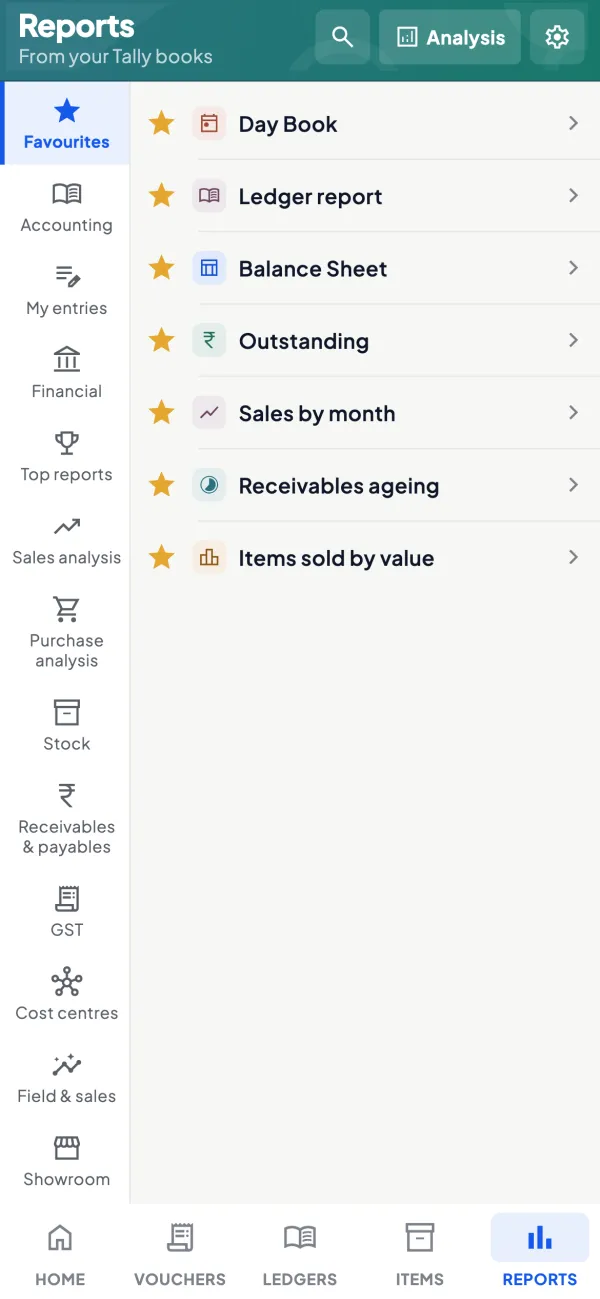
Trial Balance, P&L, Balance Sheet, Day Book, ledgers, bill-wise outstanding and stock summaries synced from Tally export to Excel or PDF for any year or date range.
See Reports in Excel and PDF
Give your CA a role, not your password
Invite your CA or accountant to the company with a role that shows the accounts they need, and remove access when it is no longer needed.
See Team roles and access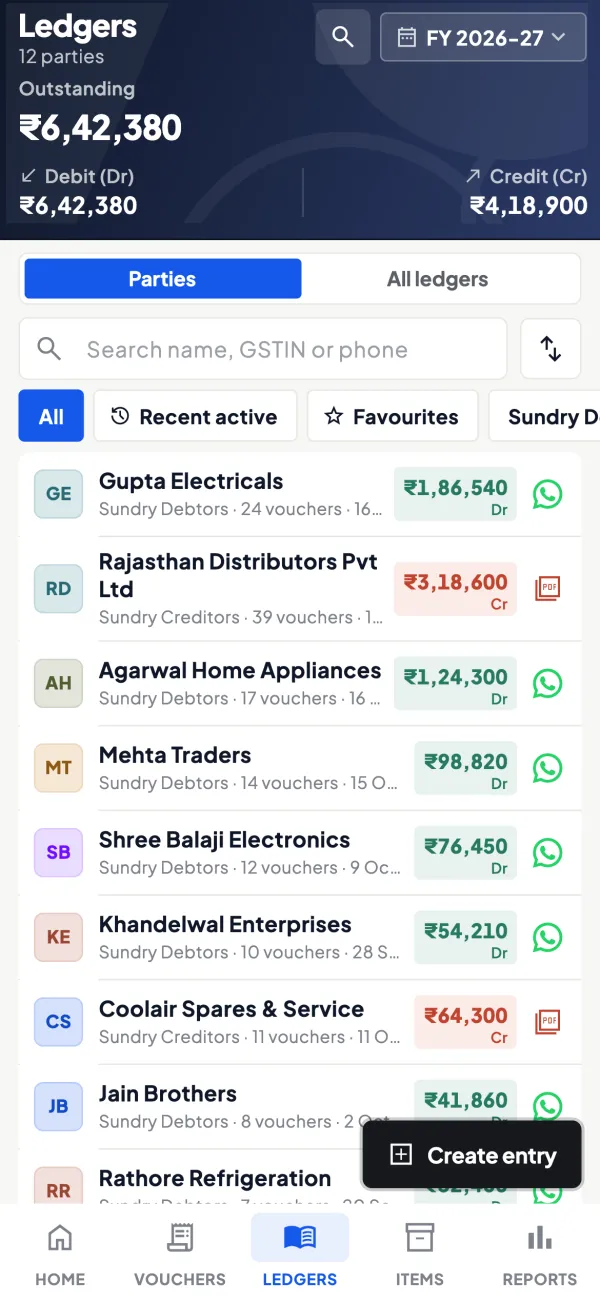
Questions people ask
How often should a small business meet its CA?
What reports should I send my CA before a meeting?
Should I give my CA direct access to my books?
Can my CA help reduce tax legally?
What documents should I carry for a year-end meeting?
How long before the meeting should I send reports?
Should I mention notices from tax departments?
Is advice from the meeting tax advice I can rely on?
This page is general information for Indian businesses, not tax, legal or financial advice. Rules and rates change — check the official portals or your CA before acting.